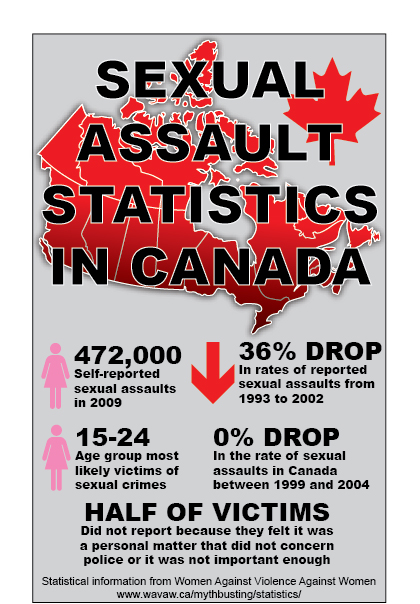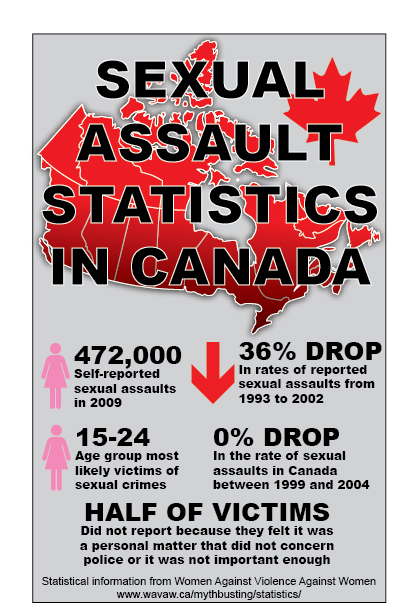
Sexual violence and online harassment have become a growing concern for colleges and universities across Canada over the past few years according to the Canadian Federation of Students.
As the result of high profile cases at the University of Ottawa and Dalhousie University, campus policies on violence and harassment have come under increased scrutiny.
At Lethbridge College, harassment and violence fall under the authority of the Student Non-Academic Code of Conduct.
However, the policy is only enforced on campus or as a part of a sanctioned off- campus event such as a class field trip or work placement.
But, according to Shelley Carter-Rose, director of student services for Lethbridge College, it is not absolute.
“Every case is different, so there’s no one step for everything.”
Complaints are reviewed on a case-by-case basis and those having evidence of a criminal nature are handed over to police.
The advent of social media, however, has made gathering evidence on harassment harder.
“If we don’t know who they are, it makes it harder to intervene and do anything about it,” Carter-Rose said.
Speaking at a special SACPA meeting on Nov. 25 at the University of Lethbridge Erin Leigh, Executive Director of the Ottawa Centre To End Violence Against Women, said social media has become ground zero for cyberbullying.
“We have seen some pretty high profile cases across Canada where young men on campus are using social media in private conversations using very misogynistic and hate-filled speech.”
Dillon Black, OCTEVAW cyber violence coordinator, said ignorance of the impact of social media is more harmful than people realize.
“The things that they say online and the things they do online are serious issues and they do have a serious impact on people in terms of experiencing violence,” they said. “If someone is experiencing harassment and violence online, that’s not something that should be taken lightly. It’s not something that isn’t real.”
Leigh said as people become more familiar with what cyberbullying is, they’ll be more likely to speak out about it.
“That person may not feel comfortable calling out in that instance because they may not feel safe as an individual to do so. But they may be able to speak to other individuals they feel safe with.”
The Student Non-Academic Code of Conduct, which has been in place since 2012, is scheduled to be reviewed in the next few years, to bring it up to date with changing technologies and standards.
To report any cases of harassment, bullying or violence to the college, call Student Services at 403-320-3202.
At the university, you can call security at 403-329-2549 or in an emergency, 403-329-2345.
To inform the Lethbridge Regional Police Service you can call their non-emergency number, 403-328-4444, or Victim and Witness Services on 403-330-5176.
The YWCA Harbour House crisis line is also a resource and can be contacted at 403-320-1881 or toll-free at 1-866-296-0447.