

The Canadian government is proposing billions of dollars for First Nations infrastructure in recent budget allocations over the next 10 years. With the new budget, Blood Tribe community members have high hopes on how the funding could benefit their community and others across Canada.
The budget was discussed on Nov. 5 with a proposed $32 billion over 10 years for First Nations housing and infrastructure across Canada. The investment includes $18.5 billion for on-reserve infrastructure across Canada as well as $11 billion for housing.
For Blood Tribe residents, the announcement comes as the community sees infrastructure improvements while facing ongoing needs for housing, roads and essential services
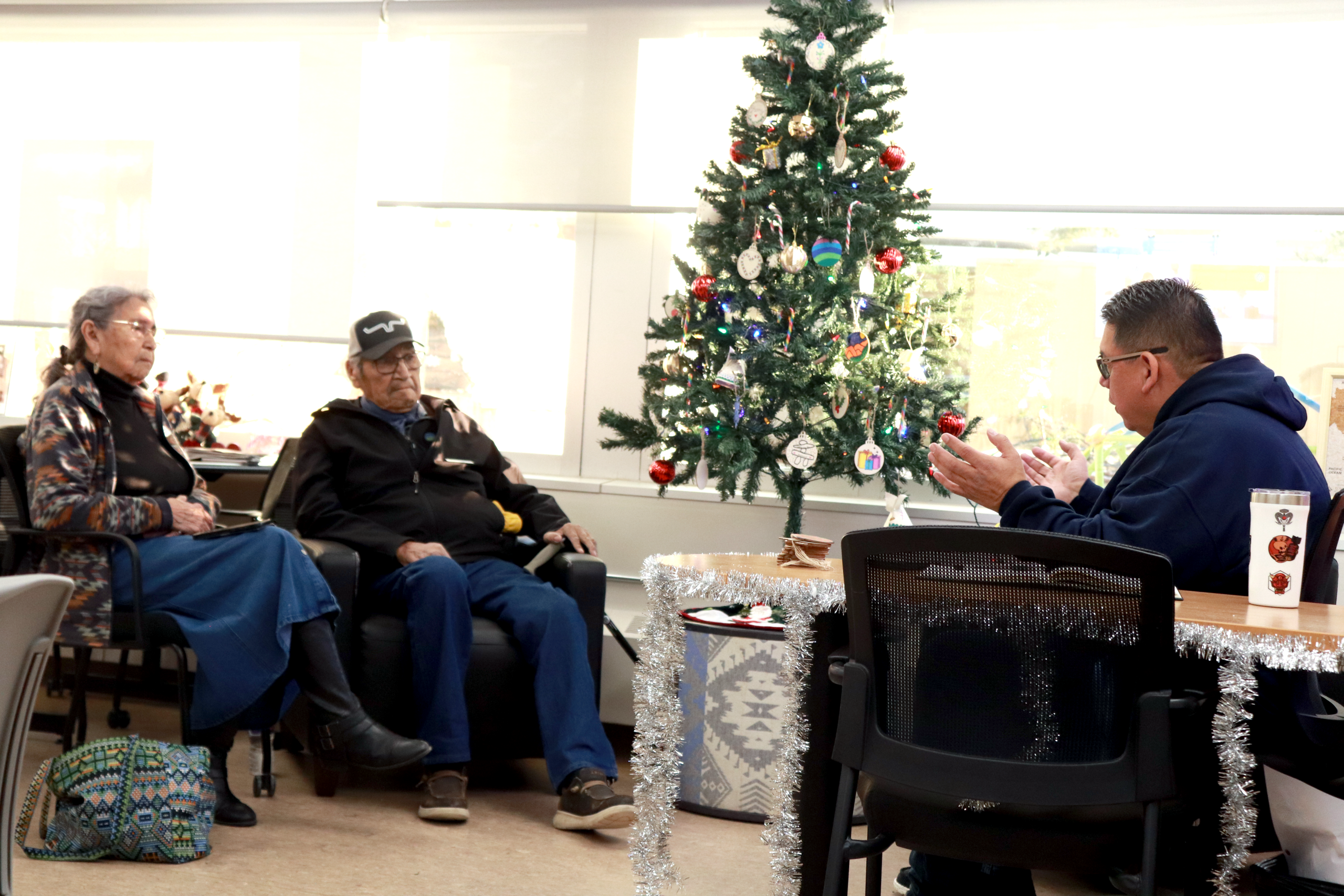
Blood Tribe elder Steven Heavy Shields recalls growing up in a time when basic needs were limited.
“Water was scarce, we had to go outside to a hand pump as we had no indoor plumbing,” says Heavy Shields.
He has seen major improvements in the community already throughout his lifetime including improvements to drinking water, electricity, health services and education.
Even though there have been significant improvements, he believes more work needs to be done to address housing shortages and road conditions throughout the reservation.
While the Blood Tribe may already have these improvements, many Indigenous communities across Canada are not so lucky.

There are 37 Indigenous communities including Northern Ontario’s Neskantaga First Nation who still do not have clean drinking water. They need to do boil their water as they have done for the last 30 years.
According to indigenous services Canada 39 active long term drink water advisories are still affecting 37 First Nation communities public water systems as of October 21, 2026. While the national statistics highlight the infrastructure challenges, residents on the Blood Tribe are seeing improvements in their community.
Cody Weasel Head longtime Blood Tribe resident seeing the road in front of his childhood home
“In my whole life, I never thought I’d see that road paved, it’s going to help as there are a lot of Elders and low-income families in that area,” Weasel Head said.
With paved roads Weasel Head believes this will significantly improve transportation for families, elders and emergency services while bringing down vehicle maintenance costs.
“If there ever is a situation where some of those Elders are sick, it’s really hard to get them help because of the rough roads as the road get really bad during the winter and rain seasons,” Weasel Head says.
Beyond infrastructure, both residents believe the community focus on prioritizing more for the youth and creating future opportunities for generations to come.
Heavy Shields says he believes with more housing, employment opportunities and support for locally owned businesses, it would not only help youth stay out of trouble but improve the overall life on the reservation.
Weasel Head says he also hopes for future investments aimed at youth initiatives such as youth recreation, job opportunities and education, as well creating more tourism attractions is a missed opportunity as he believes it would help with economic development and understanding Indigenous people and their history.
“That’s why I think the progress really is within the people. More so than our structures,” Weasel Head says.
Despite recognizing the improvement that have already been put in place, both residents believe funding prioritization will play an important role in the future of not only their community but the many others around Canada.
The Canadian government’s proposed budget is a nationwide commitment and the amount allocated for the Blood Tribe is not yet confirmed.
For Weasel Head, the pace of progress may not always meet his expectations, he still holds an optimistic perspective for the future of Indigenous people around Canada and what lies ahead.
“I always feel optimistic, even though I might have complaints about it. I will always believe in our people,” says Weasel Head.

Leave a Reply