
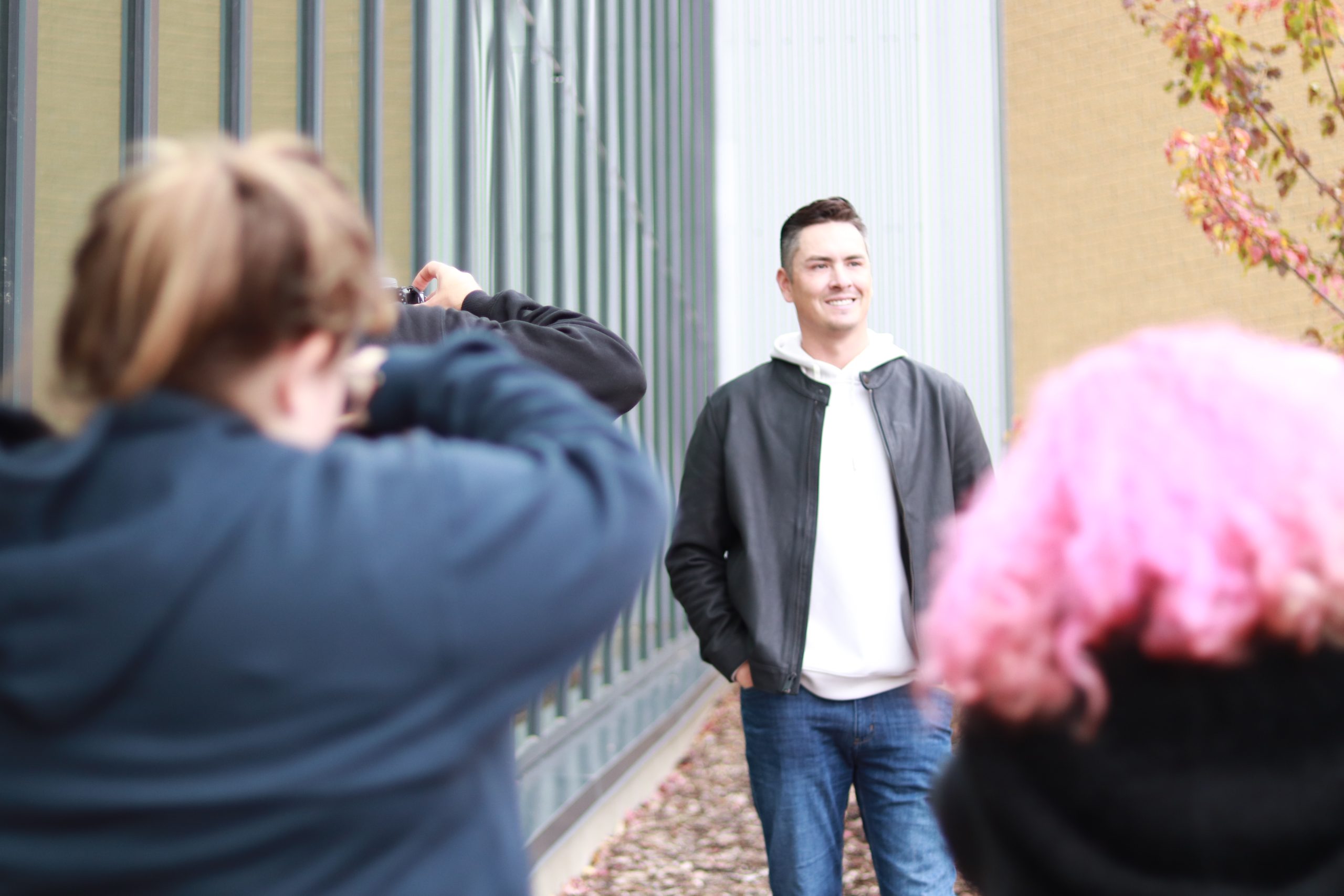
Misconceptions on Indigenous cultures and communities can follow many Indigenous people from childhood into adulthood. For research assistant and polytechnic students, listening to those lived experiences is one way to push against the false narratives.
“We’re interviewing and serving Indigenous peoples and getting insight into their firsthand experiences,” said Lainie Fuhrmann, a Six Nation Cayuga student and research assistant for the project
The community-led Working Together Research Project spearheaded by the Ninastako Cultural Centre in partnership with Lethbridge Polytechnic, is looking into the common misconceptions and misinformation on Indigenous cultures and communities.
Researchers are gathering this information through firsthand experiences using interviews, surveys, storytelling and sharing circles. The project plans to use the information gathered to create online tools to help educate others.
One research assistant in the project, Megan Gros Ventre Boy, a Blackfoot student from the Blood Tribe said the project grew from a partnership with Ninastako, community members, and the Centre for Public Safety Applied Research at the polytechnic.
Gros Ventre Boy says the goal of the project is to understand how misinformation spreads and the ways it affects individuals and communities.
For Gros Ventre Boy, joining the project meant taking on a new challenge.
“They introduced me to the project and they asked me if I was interested in being a part of it. Being Blackfoot myself, it was important to step into an uncomfortable place and in an uncomfortable position where I’ve never been. I’ve always been told, if you put yourself in a place where you’re not uncomfortable, then are you doing the right thing? That’s something my dad has always told me,” said Gros Ventre Boy.
Growing up in Moses Lake, a reservation just outside of Cardston, Gros Ventre Boy experienced the effects of misinformation firsthand. She had classmates who described Indigenous people in a negative light which reinforced the importance of sharing her perspective rather than letting the misinformation shape the view of the community.
Gros Ventre Boy says she still hears misconceptions about government funding, housing and education from students in her work as a Blackfoot instructional assistant.
Gros Ventre Boy said after they hear more context about the conditions of educational funding and Indigenous people still having to pay for housing, some often find the facts surprising. Gros Ventre Boy says the project gives people the chance to learn from those firsthand experiences.
Fuhrmann said she was contacted to join the project as they were looking for Indigenous people who had connections to their communities.
Not only did she see this as an opportunity to build a better future for Indigenous culture and people, but also to build a stronger connection to her culture.
“I was raised in Alberta away from my culture, they thought it was a good opportunity for me to build a connection with the community, but also for community to get to know me as somebody going into public safety,” said Fuhrmann.
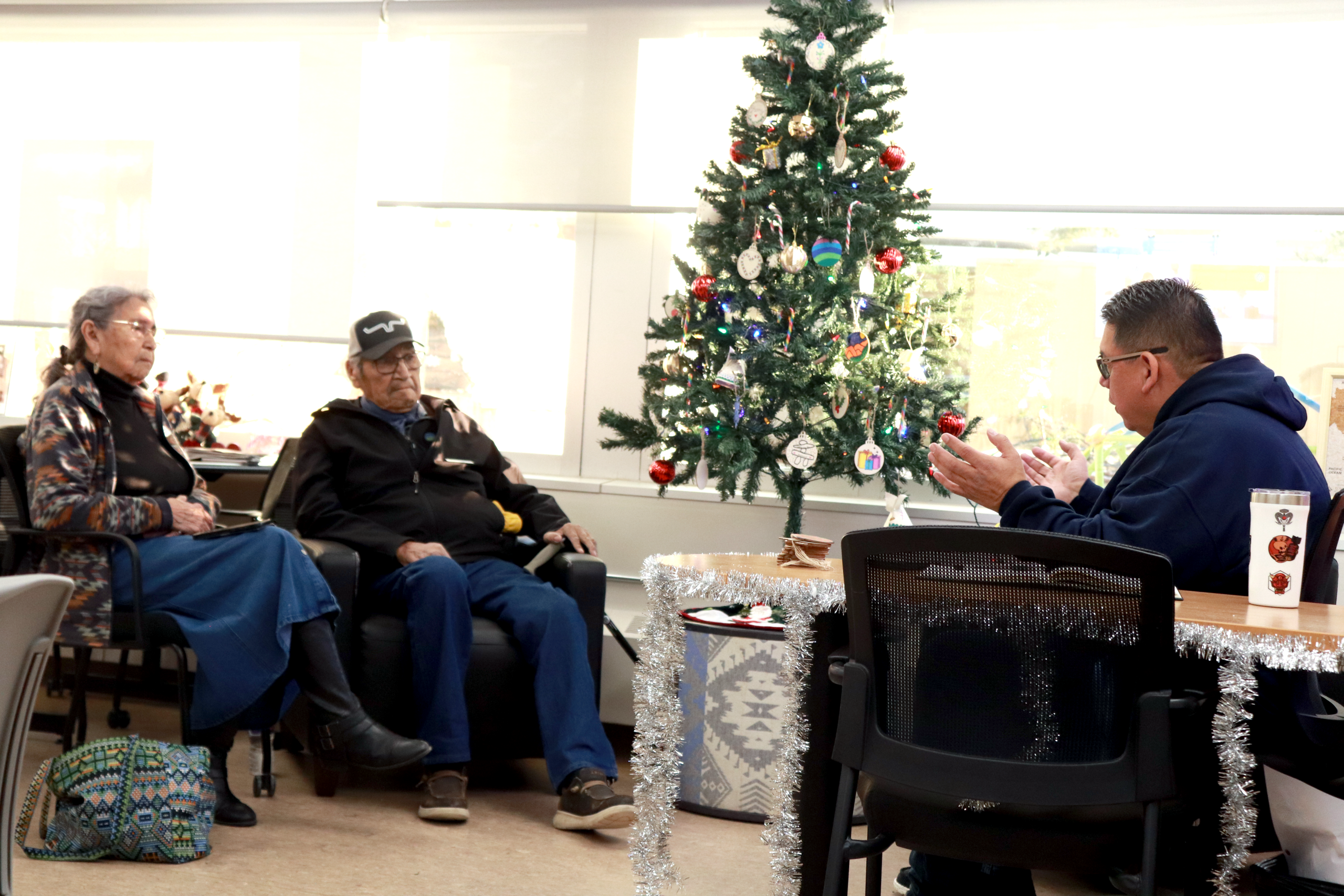
The project aims to bring Indigenous knowledge and western research methods together with community involvement. Fuhrmann says Elders and Knowledge Keepers will be involved when data collection activities happen like storytelling and sharing circles. The activities will also include cultural practices and food provided for the participants.
Fuhrmann said the respect and reciprocity are fundamental to the process, as well as how researchers should give back to the community and use it as a learning opportunity.
Both research assistants believe community involvement is a key tool in the project’s success. Gros Ventre Boy says Indigenous and non-Indigenous perspectives can help understand one another. Fuhrmann says feedback from the community will help guide the project and the tools it creates. For those interested in learning more or looking for ways to get involved, visit workingtogether.info
Leave a Reply